Identifying the species reliably
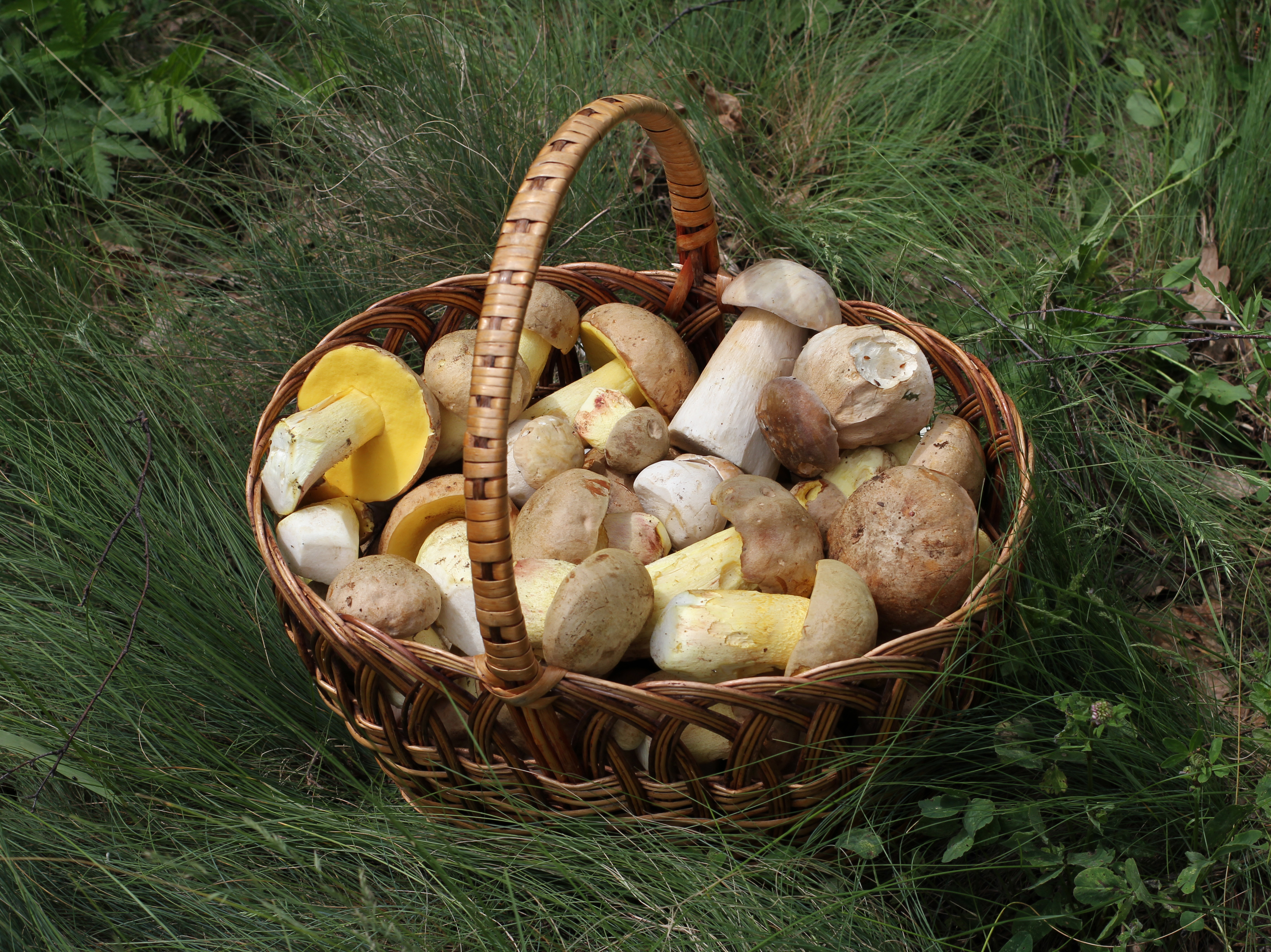
The king bolete, known in Polish as borowik szlachetny, grows across Europe from late June through October. In Polish mixed forests, the fruiting body appears most reliably under Norway spruce (Picea abies), Scots pine (Pinus sylvestris), and in oak-hornbeam woodland in Mazovia, Masuria, and the Sudeten foothills. The characteristic brown cap, white-to-cream pores that do not change colour when cut, and the distinctive net pattern on the stipe distinguish Boletus edulis from potentially harmful lookalikes such as Boletus satanas, whose pores turn blue when cut.
Polish mycologists at the Polish Botanical Society have documented over 40 Boletus species in national territory, and misidentification accounts for roughly 15% of reported mushroom poisonings each year. A physical field guide remains more reliable than app-based identification when lighting conditions are poor.
Peak seasons in Poland's main forest regions
The first significant flush appears in late June and early July in lowland pine forests of Mazovia and Greater Poland, typically after a period of warm nights above 12°C combined with rain totals exceeding 30 mm over 5–7 days. The main autumn season runs from mid-August through mid-October. In the Białowieża Primeval Forest, the season extends slightly later due to stable humidity and dense canopy cover.
- June–July (first flush): Mazovia, Greater Poland — pine-dominant stands on sandy soils
- August–September (main season): Masuria, Bieszczady, Karkonosze — mixed and spruce forests
- September–October (late season): Białowieża, Kampinos National Park — humid mixed forest
Legal framework for forest gathering in Poland
Under the Polish Forest Act (Ustawa o lasach, 1991, consolidated text 2022), non-commercial personal gathering of forest produce — including mushrooms, berries, and fallen wood — is permitted in State Forest (Lasy Państwowe) areas without a permit. The key constraints are: no mechanical excavation, no damage to living trees, and adherence to any local gathering prohibitions within national parks. Personal-use quantities are not defined by statute but are conventionally understood as amounts below 10 kg per person per day in administrative practice.
Commercial gathering requires a separate agreement with the relevant Regional Directorate of State Forests. Approximately 180,000 tonnes of mushrooms are reportedly gathered across Poland annually, though only a fraction enters formal trade.
Post-harvest handling
The quality of porcini deteriorates rapidly at ambient temperatures. Standard practice among experienced gatherers involves the following steps:
- Clean caps and stipes of soil and leaf debris in the field using a dry brush — washing accelerates decomposition.
- Transport in wicker or ventilated containers; plastic bags cause rapid moisture accumulation and spoilage within 2–3 hours.
- Refrigerate at 2–4°C within 4 hours of harvesting if not processing immediately.
- For drying, slice to 5–7 mm thickness and use a dehydrator at 45–50°C for 6–8 hours, or air-dry in thin single layers at low humidity.
- Dried boletes retain flavour for 18–24 months when stored in sealed glass jars away from direct light.
The Chief Sanitary Inspectorate of Poland (GIS) publishes annual guidance on mushroom safety, including species prohibited from commercial sale and maximum residue guidelines for mushrooms grown near industrial areas.
Nutritional profile
Dried porcini contains approximately 21–30 g of protein per 100 g dry weight, making it one of the higher-protein wild foods available in temperate forests. Fresh weight contains roughly 2–3 g protein per 100 g, 0.5 g fat, and around 4 g carbohydrate. Ergosterol — a precursor to vitamin D2 — is present at concentrations of 300–600 µg/g dry weight depending on sun exposure during growth. Selenium content varies significantly with soil type but is generally higher in specimens from spruce-dominant stands.
Notes on sustainable harvesting
There is no scientific consensus that breaking or cutting the stipe affects mycelium regeneration differently — the mycelium is belowground and not significantly disturbed by either method. What does reduce future fruiting is soil compaction from repeated foot traffic over the same spots, which degrades the loose, aerated layer the mycelium occupies. Rotating gathering locations within a forest area is a practical measure consistent with long-term yield.